
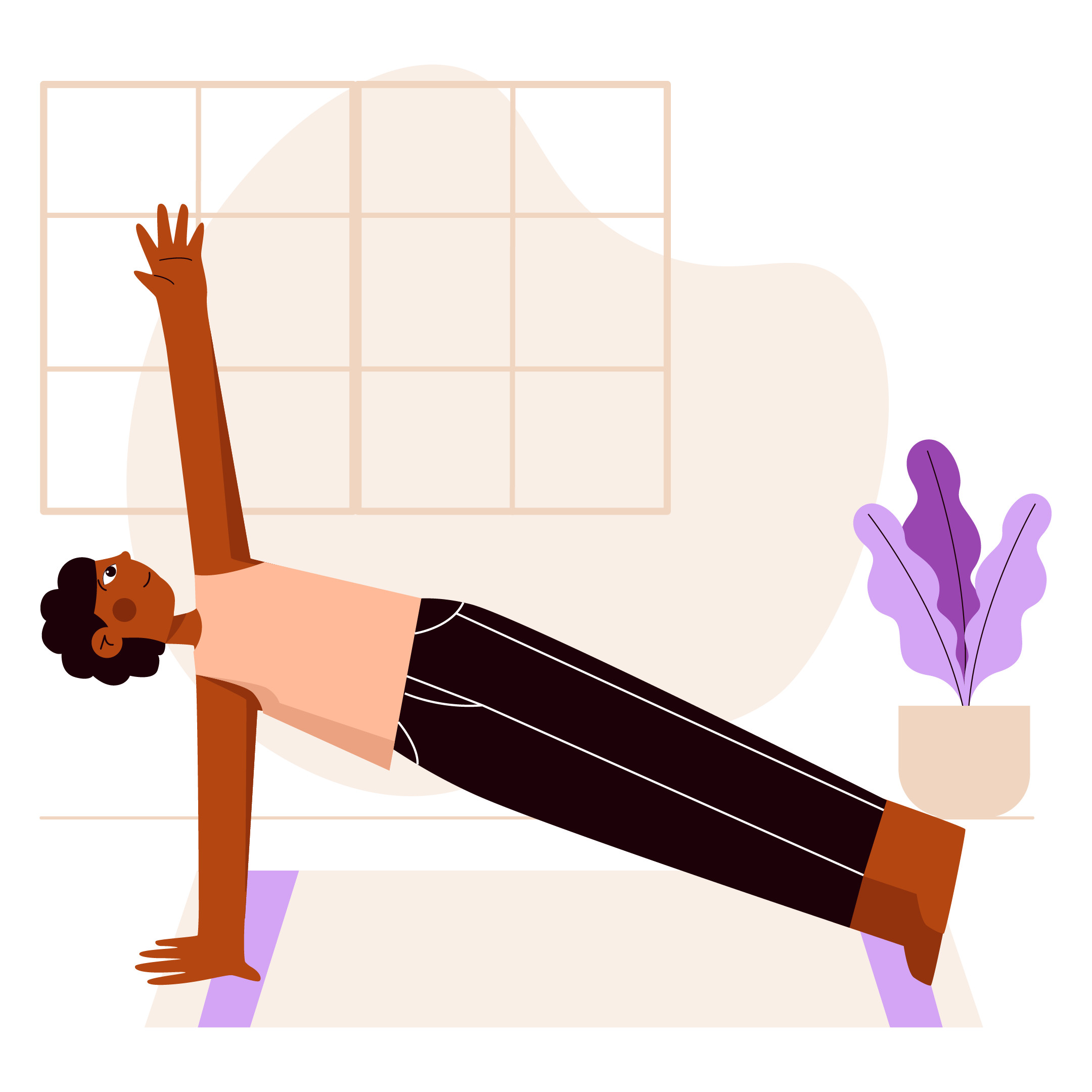
When most people think of core work, they envision repetitive, painful crunches aimed at achieving a six-pack. This image, however, embodies one of the biggest myths in fitness: that training the superficial abdominal muscles (the "six-pack muscle," or rectus abdominis) equates to a stable, healthy spine. True core health isn't about how your stomach looks, but how your body moves and stabilizes. The core's primary job is not to bend your spine, but to prevent it from moving in dangerous or uncontrolled ways. Understanding this distinction is key to preventing back pain and making your chiropractic adjustments last.
The core's true job: Anti-movement and bracing
The core is a muscular cylinder—including the abdominals, obliques, diaphragm, lower back muscles, and pelvic floor—whose main function is stabilization. Its job is to create a stiff, protective brace around the spine to prevent unwanted motion when you move your arms or legs.
Stability versus mobility: The lumbar spine is designed for stability; the hips and thoracic spine (mid-back) are designed for mobility. The core ensures that when you lift an object, the force travels safely through a stable spine and into the extremities.
The "bracing" strategy: Training the core should focus on the ability to brace—creating tension throughout the entire abdominal wall, as if preparing for a punch. This deep, 360-degree tension is what truly protects your discs.
The crunch contradiction: Why flexion fails
Crunches and sit-ups train the rectus abdominis (the surface muscle) to shorten the distance between the rib cage and the pelvis, known as spinal flexion. This is the opposite of the core's bracing function.
Focusing on the wrong muscle: Crunches mainly target the superficial "mover" muscles, neglecting the deeper, crucial stabilizing muscles like the transversus abdominis and the multifidus (small muscles that directly support the vertebrae).
Repetitive stress: Repeated, forceful spinal flexion can actually be detrimental. Research suggests that high volumes of flexion under load can stress the intervertebral discs, contributing to long-term back issues.
Ignoring functional needs: In daily life—lifting groceries, pushing a stroller, or standing—you rarely need to repeatedly bend your spine. You need to resist bending, twisting, and side-bending.
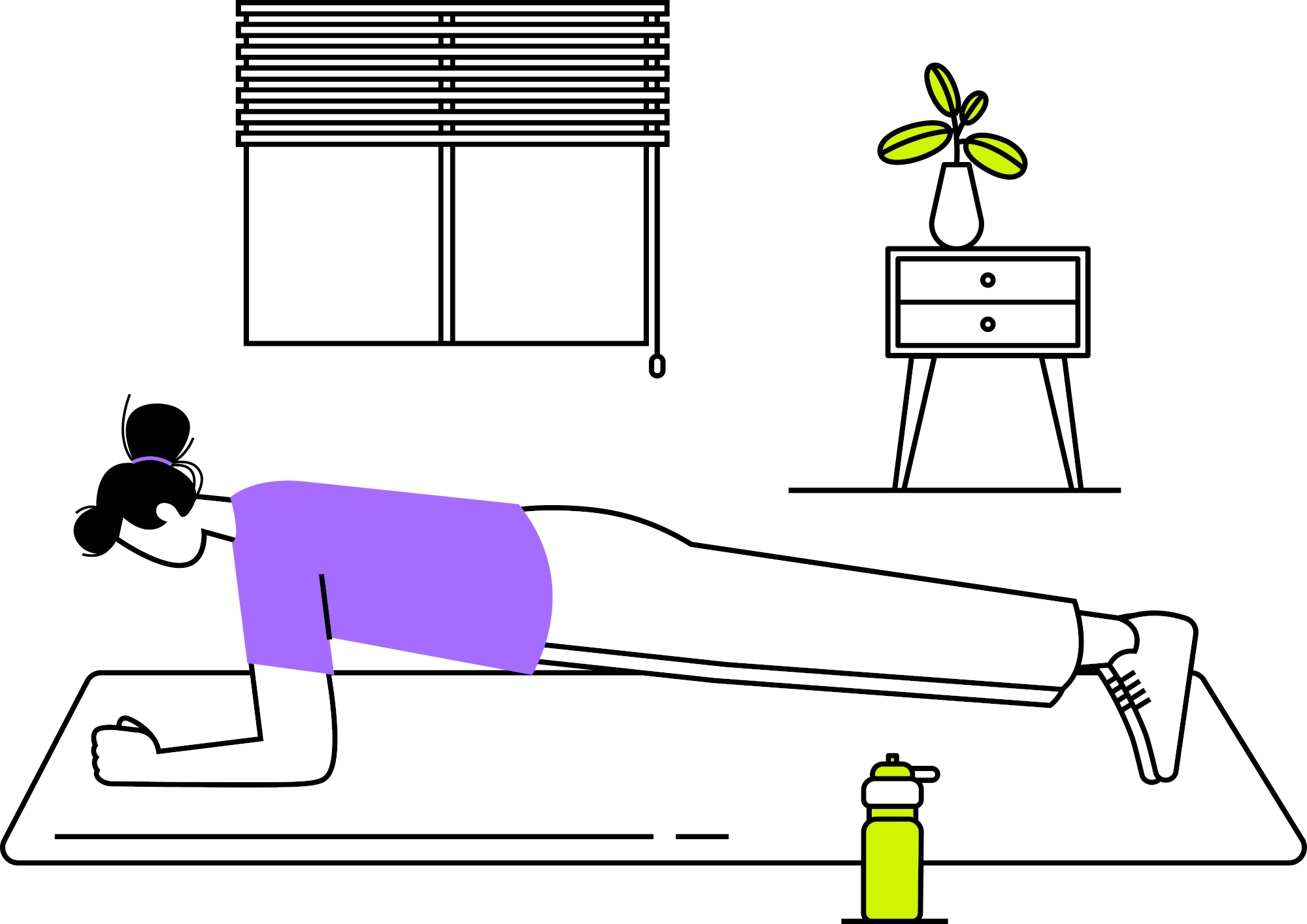
Functional core builders: Training anti-movement
To build a truly stable core that supports your spine and holds your chiropractic adjustments longer, focus on exercises that train the core to resist motion (anti-movement).
Anti-extension (resisting arching): Exercises that challenge your core to prevent your lower back from arching.
Example: Plank variations (focus on pulling your belly button toward your spine).
Anti-rotation (resisting twisting): Exercises that challenge your core to remain facing forward while a force tries to twist you.
Example: Pallof press or any cable/band press held firmly in front of the chest.
Anti-lateral flexion (resisting side-bending): Exercises that challenge your core to prevent you from slouching to one side.
Example: Suitcase carry (carrying a heavy weight in one hand while standing upright).
Integrated stability: The bird-dog exercise (extending opposite arm and leg while on hands and knees) trains the core to stabilize the spine while the limbs move—the definition of functional strength.
Join the anti-movement movement
Integrating true stability training is non-negotiable for lasting relief.
Holding the adjustment: A weak, unstable core allows the spine to easily slip back into the alignment that caused the pain in the first place. Strong, stabilized deep muscles act like an internal cast, helping your body retain the alignment achieved by your chiropractor.
Supporting soft tissue release: Muscular guarding often occurs because the core is weak. Your massage therapist releases tension in the superficial muscles, but that tension returns quickly if the underlying stabilizers aren't engaged. True core work provides the stability needed to keep those released muscles relaxed.
By switching your focus from crunches to bracing and anti-movement, you empower yourself to build a pain-proof core that genuinely supports your posture and your long-term health.
This month in Portland: Earth Day in Forest Park
Have fun and revitalize our treasured Forest Park. Training, tools, snacks and coffee will be provided!

Image: Travel Portland
Come visit us at Parkside
Come see our expert team at Parkside Clinic where we tailor our care to your specific condition and tap into your body’s natural healing ability. Make an appointment, or if you have any questions, contact us.