
Trails vs. Pavement

Trails vs. Pavement

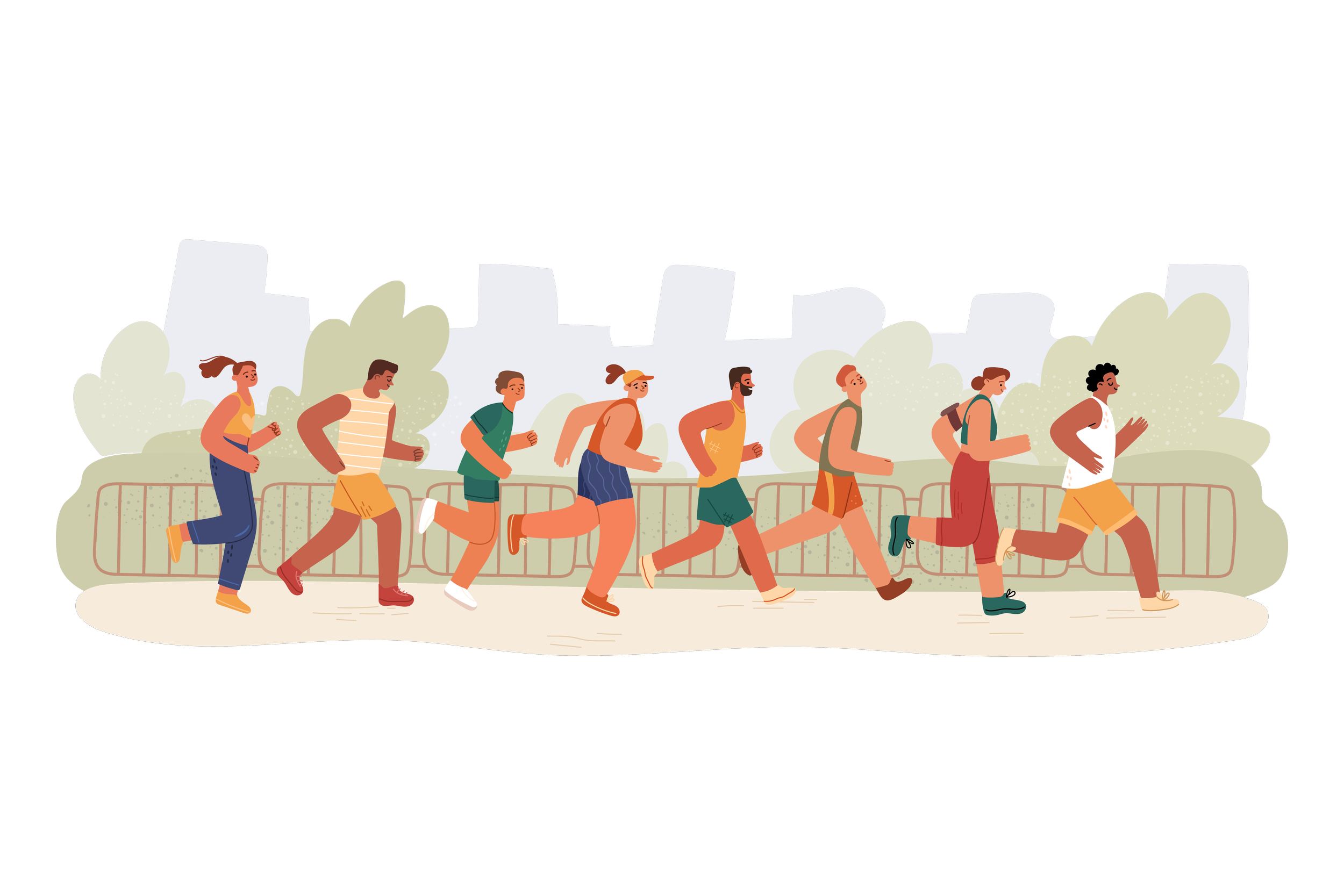
Portland’s blend of urban parks and extensive natural trails offers runners the best of both worlds. However, running surface drastically changes the mechanical forces applied to your body, leading to different common injury patterns. Understanding whether you’ll be pounding the pavement or navigating roots and rocks is the key to targeted training, proper gear selection, and effective injury mitigation—all crucial factors in keeping your body balanced and aligned between chiropractic adjustments and massage therapy.

Dead Butt Syndrome

Dead Butt Syndrome

The gluteal muscle group—comprising the gluteus maximus, medius, and minimus—is the largest and most powerful muscle group in the body. Their job is not just to provide power for running and jumping; they are the primary stabilizers of your pelvis, spine, and lower limbs. When these muscles become inhibited, they essentially "forget" how to fire properly, leading to the fun term Dead Butt Syndrome or gluteal amnesia. This condition is a major driver of chronic low back pain because the body is forced to compensate, overloading smaller, weaker muscles.

Understanding Vitamin D

Understanding Vitamin D

Vitamin D is often called the "sunshine vitamin" because your body produces it when skin is exposed to the sun's ultraviolet rays. However, in Portland and the greater Pacific Northwest, where grey skies and higher latitude combine for a long winter, relying on sun exposure alone is simply not enough. Vitamin D isn't just a vitamin. It's a prohormone that plays an essential regulatory role in dozens of body processes. When levels are low, the impact extends far beyond mood—it can directly compromise your structural stability, affecting everything your chiropractor and massage therapist work to improve.

Your Body and Your Bike

Your Body and Your Bike

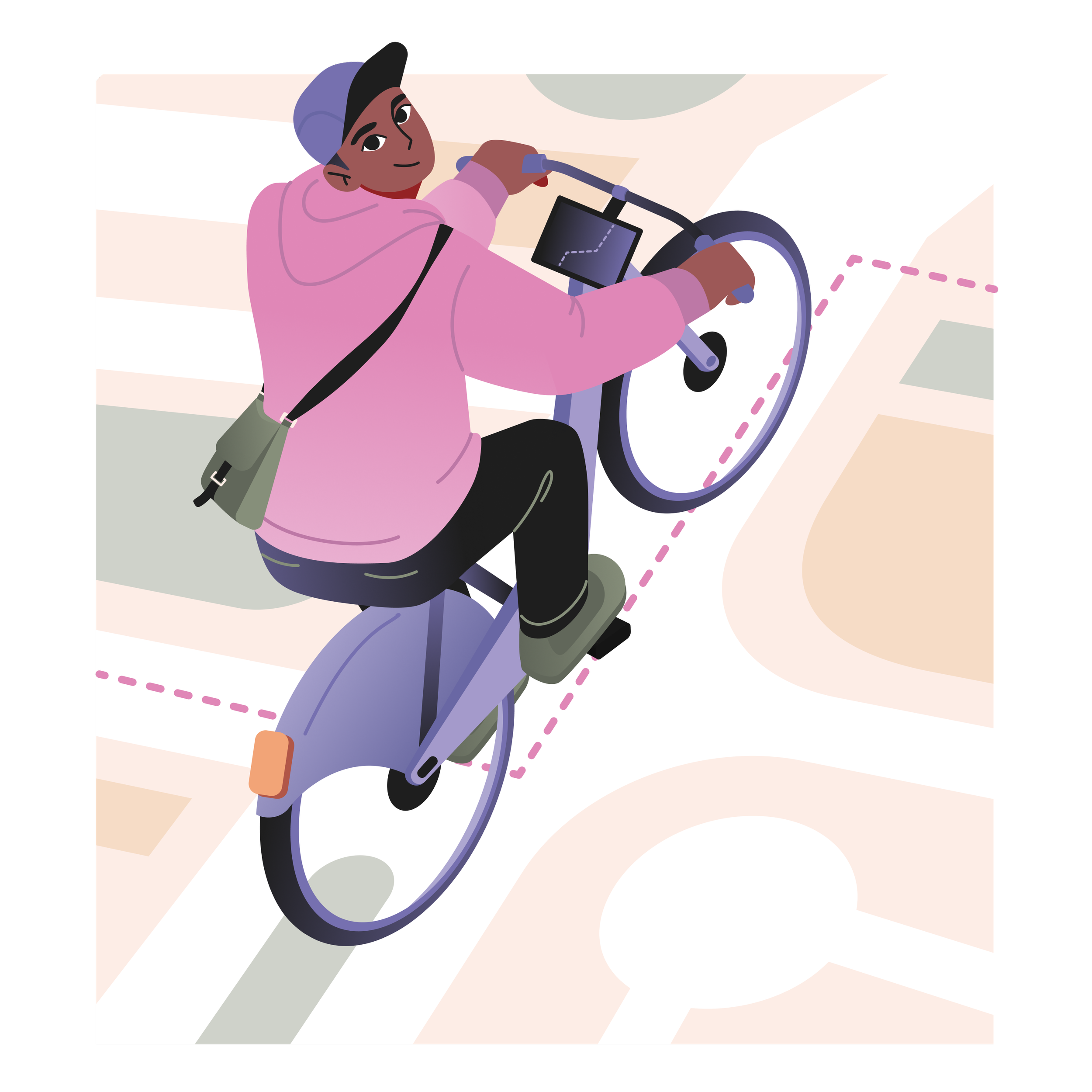
Portland’s cycling culture is built on repetitive motion—a low-impact, high-volume activity that, without proper form and fit, inevitably translates into overuse injuries. The common aches cyclists face—persistent knee clicking, radiating low back stiffness, and locked-up shoulders—are rarely just "part of the ride." They are mechanical signals demanding attention. Let’s look at the biomechanical relationship between your body and your bike, and how chiropractic, massage, and acupuncture are great tools for cyclists.

Hormones and Inflamation

Hormones and Inflamation

Most clients come to the clinic focused on a mechanical problem: a stiff neck, a misaligned back, or a tight hip. What often goes overlooked is the underlying systemic chaos caused by hormonal imbalances. Hormones are the body’s chemical messengers, and when they are out of sync—whether due to chronic stress, age, or metabolic factors—they drive widespread inflammation and amplify pain signals. Understanding the influence of hormones like cortisol, estrogen, and testosterone is essential because they affect much of what we treat: muscle stiffness, joint wear, nerve sensitivity, and overall tissue repair.

Tips That Could Save Your Neck

Tips That Could Save Your Neck

The human head, as we’ve noted previously, weighs approximately 10 to 12 pounds—the weight of a bowling ball—and the neck is the delicate, complex structure responsible for supporting, stabilizing, and moving this weight 24 hours a day. More than just a column of bone, the neck (or cervical spine) is a sophisticated conduit housing the spinal cord, critical nerves, and major blood vessels. Its inherent vulnerability makes it prone to pain from stress, poor posture, and age-related wear. Understanding the spine’s natural geometry is the first and most powerful step toward protecting this vital hinge of human movement.

Mobilize Your Ankles to Prevent Back Pain

Mobilize Your Ankles to Prevent Back Pain

Lower back pain is of course one of the most common complaints that brings people into the clinic. In the search for relief, folks often focus on the usual suspects: core strength, hip flexibility, and time spent sitting. And while these areas are undoubtedly crucial, there is a smaller, often-ignored joint at the very bottom of the chain that could be silently sabotaging your efforts: the ankle.

The Kettlebell: Awkward on Purpose

The Kettlebell: Awkward on Purpose

When you think of a strong core, do you imagine six-pack abs? We view the core not as a single sheet of muscle but as a 360-degree cylindrical powerhouse essential for movement, balance, and, most critically, spinal health. Your core is the nexus that connects your upper and lower body. Its primary job is not to move you, but to stabilize you—to resist forces that attempt to bend, twist, or buckle your spine. And kettlebells are a great tool for strengthening your core.

How to Walk to Reduce Joint Stress

How to Walk to Reduce Joint Stress

It’s easy to dismiss walking as a passive activity. You lace up your shoes and go, trusting your body to manage the incredible forces involved in propelling you forward. But the average person takes over 2,000 steps per day, and with each step, your joints, muscles, and connective tissues endure impact forces equal to 1.2 to 1.5 times your body weight. Over time, faulty mechanics in this cycle are not just inefficient, they're a direct source of the chronic pain, stiffness, and joint vulnerability we often see in the clinic.

Add More Life to Your Years

Add More Life to Your Years

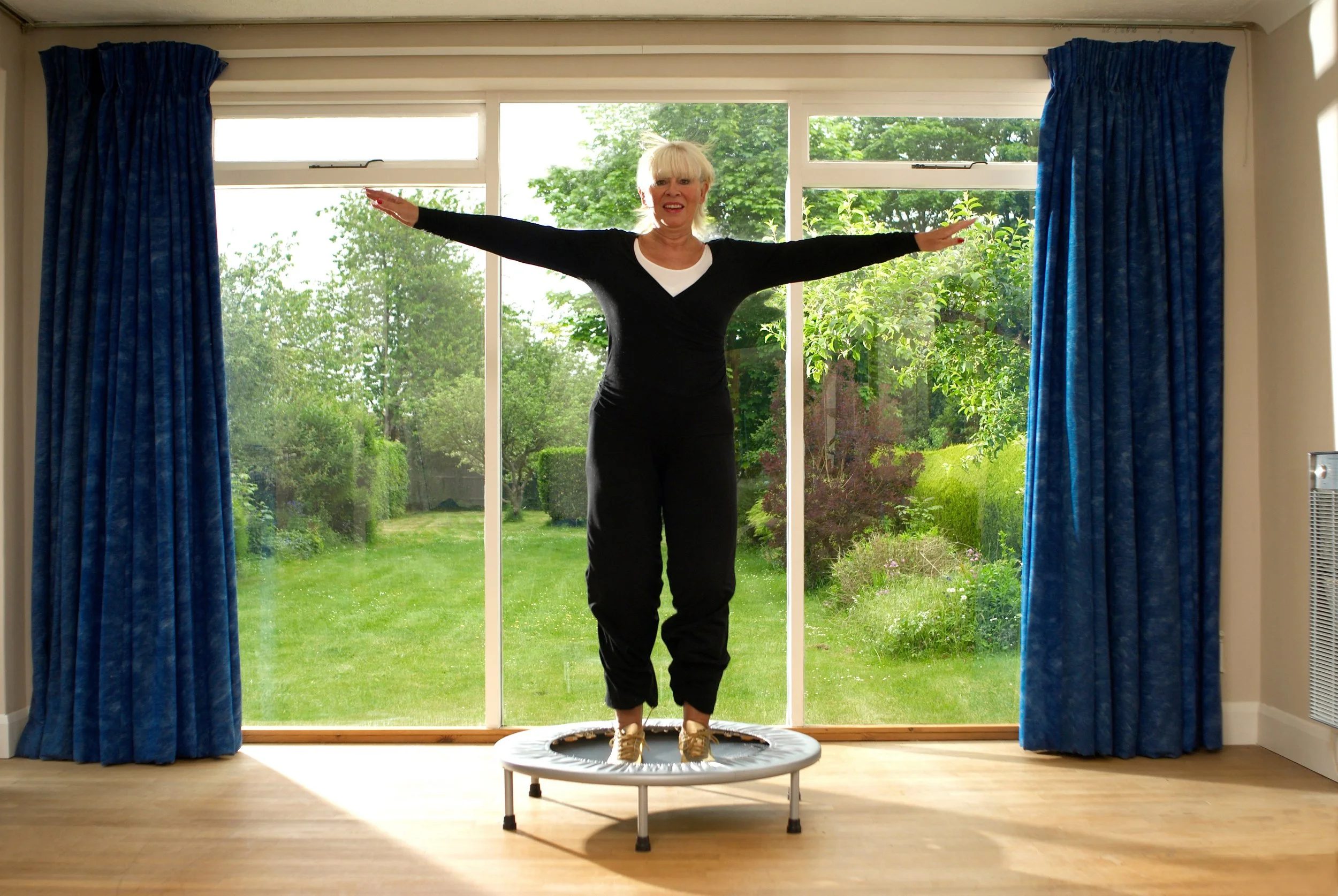
We hear it all the time: "Exercise adds years to your life." While scientifically sound, that statement often falls a bit flat. It conjures images of long, but unenjoyable, lives. But exercise can be more than a grim prescription for a longer existence. It can add more life to your years, by helping you be more vibrant, social, and independent.

Salient Salt Stats

Salient Salt Stats

Salt, a seemingly simple ingredient, has become a complex topic in the world of nutrition. We all know it enhances the flavor of food, but how much is too much? Recent research sheds light on the potential dangers of high sodium intake, while also suggesting miso as an alternative. Let's delve into the science behind salt and explore strategies for a healthy relationship with this flavor enhancer.

Facial Massage: A Natural Approach to Wrinkle Reduction

Facial Massage: A Natural Approach to Wrinkle Reduction

In Portland, wrinkles are more likely to be seen as a badge of honor than an issue to address. And luckily, we don’t have year-round intense sun to worry about. Nonetheless, facial massage, a time-honored beauty practice, has gained popularity in recent years as a potential alternative to invasive anti-aging treatments. It may not erase wrinkles entirely, but regular facial massage can help to improve skin elasticity and promote a more glowing complexion. It also feels great.