
The human head, as we’ve noted previously, weighs approximately 10 to 12 pounds—the weight of a bowling ball—and the neck is the delicate, complex structure responsible for supporting, stabilizing, and moving this weight 24 hours a day. More than just a column of bone, the neck (or cervical spine) is a sophisticated conduit housing the spinal cord, critical nerves, and major blood vessels. Its inherent vulnerability makes it prone to pain from stress, poor posture, and age-related wear. Understanding the spine’s natural geometry is the first and most powerful step toward protecting this vital hinge of human movement.
1. The arc of life (Cervical lordosis)
The cervical spine is not straight. It is meant to curve gently inward, a shape known as cervical lordosis. This natural "C" shape is fundamental to spinal health.
Shock absorption: The curve acts like a spring, cushioning the brain and spine from the constant impact of walking, running, and jumping.
Weight distribution: The lordosis balances the 10-12 pound weight of the head directly over the shoulders, minimizing muscular effort. When this curve flattens (often called a "straightened neck"), the head shifts forward, forcing the muscles in the back of the neck to work exponentially harder, leading to strain.
Nerve and blood protection: An optimal curve ensures the spinal cord and the critical vertebral arteries (which supply blood to the back of the brain) are not stretched or compressed.
2. Common neck troubles
While chronic muscle strain is common, neck pain often stems from issues related to alignment and disc health.
Cervical spondylosis (Osteoarthritis)
Age-related wear and tear where the discs between the vertebrae dehydrate and shrink. This causes the joints and vertebrae to develop bone spurs, leading to stiffness and reduced mobility.
Herniated or bulging disc
The intervertebral discs cushion the spine. If the outer layer tears, the soft inner material can push out, or bulge, which can press directly on a nerve root.
Cervical radiculopathy (Pinched nerve)
Occurs when a nerve branching off the spinal cord is irritated or compressed—often by a bone spur or herniated disc. Symptoms include sharp, searing pain, numbness, tingling, or weakness that radiates down the shoulder, arm, or hand.
Facet joint syndrome
Inflammation of the small joints located on the back of each vertebra, typically causing pain when extending the neck backward.
"Tech neck"
This term refers to the severe, chronic muscle strain caused by looking down at screens for long periods. It accelerates the flattening of the natural cervical curve and increases the effective weight the neck must support.
3. Are professional alignments safe?
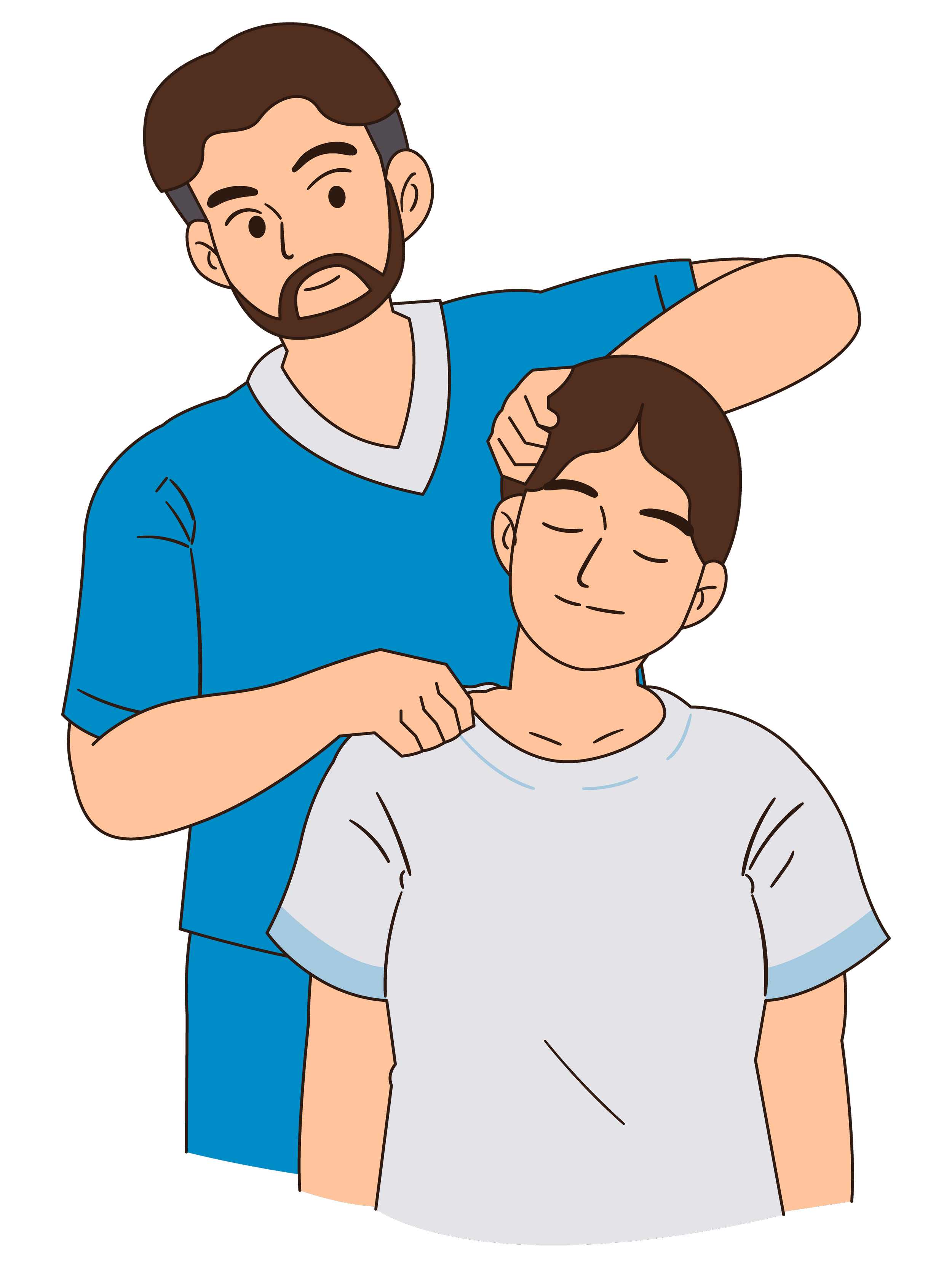
Professional spinal manipulation, often referred to as a chiropractic adjustment or alignment, is a highly specialized practice.
General safety: When performed by a licensed, trained, and certified professional, spinal adjustments are widely considered safe and effective for many types of neck pain, headaches, and stiffness.
The stroke risk: Concerns about chiropractic neck adjustments causing a certain type of stroke (vertebral artery dissection) are extremely rare. Studies estimate the risk to be anywhere from 1 in 1 million to 1 in 5.8 million adjustments. The risk is often associated with pre-existing vascular conditions, which a chiropractor should assess during an initial examination.
What to expect: The most common side effect is mild soreness or stiffness for 24-48 hours, similar to a minor post-workout ache, as the body adjusts to the new alignment.
Always ensure your chosen practitioner is fully licensed and conduct a thorough consultation regarding your symptoms and medical history beforehand.
4. Self-massage: safety first
Given the critical nerves and arteries in the neck, self-massage is safe for relieving muscle stiffness but must be done with caution and gentleness.
Do focus on muscle tissue
Focus your massage effort on the large muscles at the back of the neck and the shoulders (upper traps). Use gentle, circular motions with moderate pressure.
Do use gentle, sustained pressure
Use techniques that gently stretch and relax the muscles, holding moderate pressure on a knot for up to 90 seconds until the discomfort gradually subsides.
Do not press on the front or sides
Avoid the area where you feel a pulse, as major blood vessels (carotid and vertebral arteries) are close to the surface. Pressure here can be dangerous.
Do not continue with nerve symptoms
If your neck pain is accompanied by radiating numbness, tingling, or weakness in your arms or hands (signs of a pinched nerve/radiculopathy), do not self-massage that area; seek professional treatment.
Do not apply deep, aggressive pressure
Avoid forceful manipulation, twisting, or rapid movements. Aggressive work near the vertebrae can aggravate existing conditions or strain muscles.
5. Prevention and proper sleep support
Since we spend one-third of our lives sleeping, the single most critical preventative step is ensuring your sleeping position supports your neck’s natural C-curve.
This requires selecting the right pillow based on your sleeping position and body type, a topic we explored in detail here: Pillow talk: posture, comfort, and spinal health.
January in Portland
Old-time music is alive and well at the annual Old-Time Music Gathering — and there’s square dancing, too!
Come visit us at Parkside
Come see our expert team at Parkside Clinic where we tailor our care to your specific condition and tap into your body’s natural healing ability. Make an appointment, or if you have any questions, contact us.