
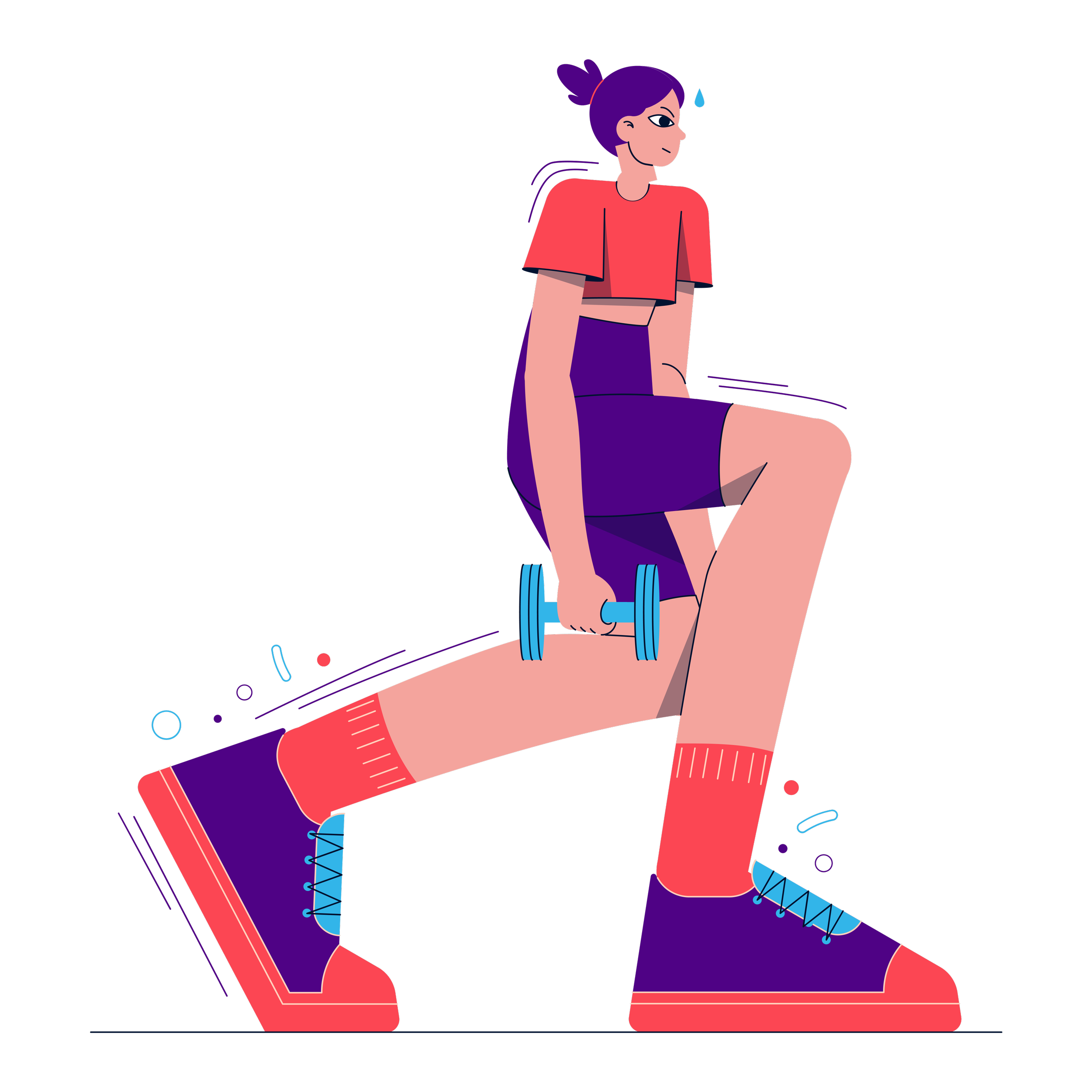
The gluteal muscle group—comprising the gluteus maximus, medius, and minimus—is the largest and most powerful muscle group in the body. Their job is not just to provide power for running and jumping; they are the primary stabilizers of your pelvis, spine, and lower limbs. When these muscles become inhibited, they essentially "forget" how to fire properly, leading to the fun term Dead Butt Syndrome or gluteal amnesia. This condition is a major driver of chronic low back pain because the body is forced to compensate, overloading smaller, weaker muscles.
The pathology: gluteal amnesia and the sitting trap
Gluteal amnesia is not a clinical diagnosis! But it is a descriptive term for a common functional problem: inhibition and weakness of the gl gluteal muscles due to a sedentary lifestyle.
Reciprocal inhibition: When you sit for prolonged periods, your hip flexors (muscles at the front of your hip) remain in a shortened, tight position. This tightness inhibits the opposing gluteal muscles, causing them to lengthen and weaken over time.
Neural inhibition: The "amnesia" occurs because the neural pathways that tell the glutes to contract become sluggish. When you stand up, your brain struggles to activate the glutes first, forcing the low back muscles (erector spinae) and hamstrings to take over the heavy work of hip extension and stabilization.
The cascade effect: When the glutes fail to stabilize the pelvis, the body develops faulty movement patterns. This results in anterior pelvic tilt (where the pelvis tips forward) and excessive strain on the lumbar spine, leading directly to pain, stiffness, and increased risk of injury.
The structural role of glutes in the movement chain
The glutes must be strong to protect your entire kinetic chain.
Gluteus maximus: The primary powerhouse for extending the hip (standing up, climbing stairs). Its weakness forces the lower back to over-arch and overwork.
Gluteus medius & minimus: These smaller muscles on the side of the hip stabilize the pelvis. When they are weak, your hip will drop slightly every time you stand on one leg (a positive Trendelenburg sign), leading to compensatory pain in the opposite knee and ankle.
Waking up the glutes: activation before strengthening
The key to fixing gluteal amnesia is a two-step approach: First, activation (reminding the muscle how to fire) and second, strengthening (building endurance and power).
1️⃣ Activation
Before moving into heavy exercises like squats or lunges, perform 2 sets of 5 Glute bridges and 5 clamshells. This pre-activates the glutes so they are ready to work, rather than letting the hamstrings or low back take over.
Glute bridge: The best way to "wake up" the glutes—Lie on your back, knees bent. Squeeze your glutes to lift your hips until your body forms a straight line from shoulder to knee. Hold the squeeze for 3 seconds at the top.
2️⃣ Isolation
Clamshells: Isolates the gluteus medius (the key stabilizer). Lie on your side, knees bent 45 degrees. Keep your feet together and rotate your top knee upward, focusing only on the muscle on the side of your upper hip.
3️⃣ Integration
Bodyweight squats: Once you can feel the glutes fire, integrate them into functional movements. Focus on pushing your hips back and down (like sitting in a chair), ensuring your knees do not collapse inward.
The clinic's role in the gluteal problem
While our chiropractic adjustments and therapeutic massages can temporarily relieve the symptoms of DBS, the long-term solution relies on home exercise.
Chiropractic: We correct the anterior pelvic tilt and stabilize the spinal segments that are compensating for the weak glutes.
Massage therapy: We relieve the chronically tight hip flexors and the over-strained low back and hamstring muscles, releasing tension and restoring range of motion to allow the glutes to be properly positioned to work.
Ultimately, your back pain will keep returning until you put your glute powerhouse back to work.
March in Portland: The Portland Jazz Festival
Good for what ails ya! Check out the lineup and get tickets.

Image: pdxjazz.org
Come visit us at Parkside
Come see our expert team at Parkside Clinic where we tailor our care to your specific condition and tap into your body’s natural healing ability. Make an appointment, or if you have any questions, contact us.