


Vitamin D is often called the "sunshine vitamin" because your body produces it when skin is exposed to the sun's ultraviolet rays. However, in Portland and the greater Pacific Northwest, where grey skies and higher latitude combine for a long winter, relying on sun exposure alone is simply not enough. Vitamin D isn't just a vitamin. It's a prohormone that plays an essential regulatory role in dozens of body processes. When levels are low, the impact extends far beyond mood—it can directly compromise your structural stability, affecting everything your chiropractor and massage therapist work to improve.
You might have noticed: Fewer sunny days in Oregon
Due to the earth's angle, Portland and surrounding areas (which sit well above the 37th parallel north) experience a phenomenon called the "Vitamin D Winter."

Ineffective UVB: From roughly October through March, the sun's angle is too low for enough UVB radiation to penetrate the atmosphere and reach the surface. This means that even on a sunny winter day, you cannot synthesize adequate Vitamin D through your skin.
High deficiency rates: Because of this long winter deficit, many Pacific Northwesterners—especially those who work indoors or have darker skin—experience insufficient or deficient Vitamin D levels, making supplementation a seasonal necessity.
Vitamin D's structural role: Bone, muscle, and falls
In the context of musculoskeletal health, Vitamin D performs two critical functions that directly impact the stability and strength of your body.
Calcium absorption (bone health): Vitamin D's primary, non-negotiable job is to help the gut absorb calcium. Without adequate Vitamin D, the body cannot utilize the calcium you consume, leading to:
Osteomalacia in adults: A severe deficiency can cause bone softening and diffuse bone/joint pain.
Osteoporosis risk: Long-term insufficiency increases bone turnover, raising the risk of fractures and decreased bone mineral density.
Muscle function and strength: Muscle tissue contains Vitamin D receptors. Low levels are strongly associated with proximal muscle weakness and increased risk of falling, especially in older adults. Ensuring adequate levels can improve muscle performance and stability, complementing the work done to correct alignment and gait.
Beyond the skeleton: Chronic pain and immunity
The consequences of low Vitamin D ripple through the entire system, linking deficiency to symptoms often treated in the clinic:
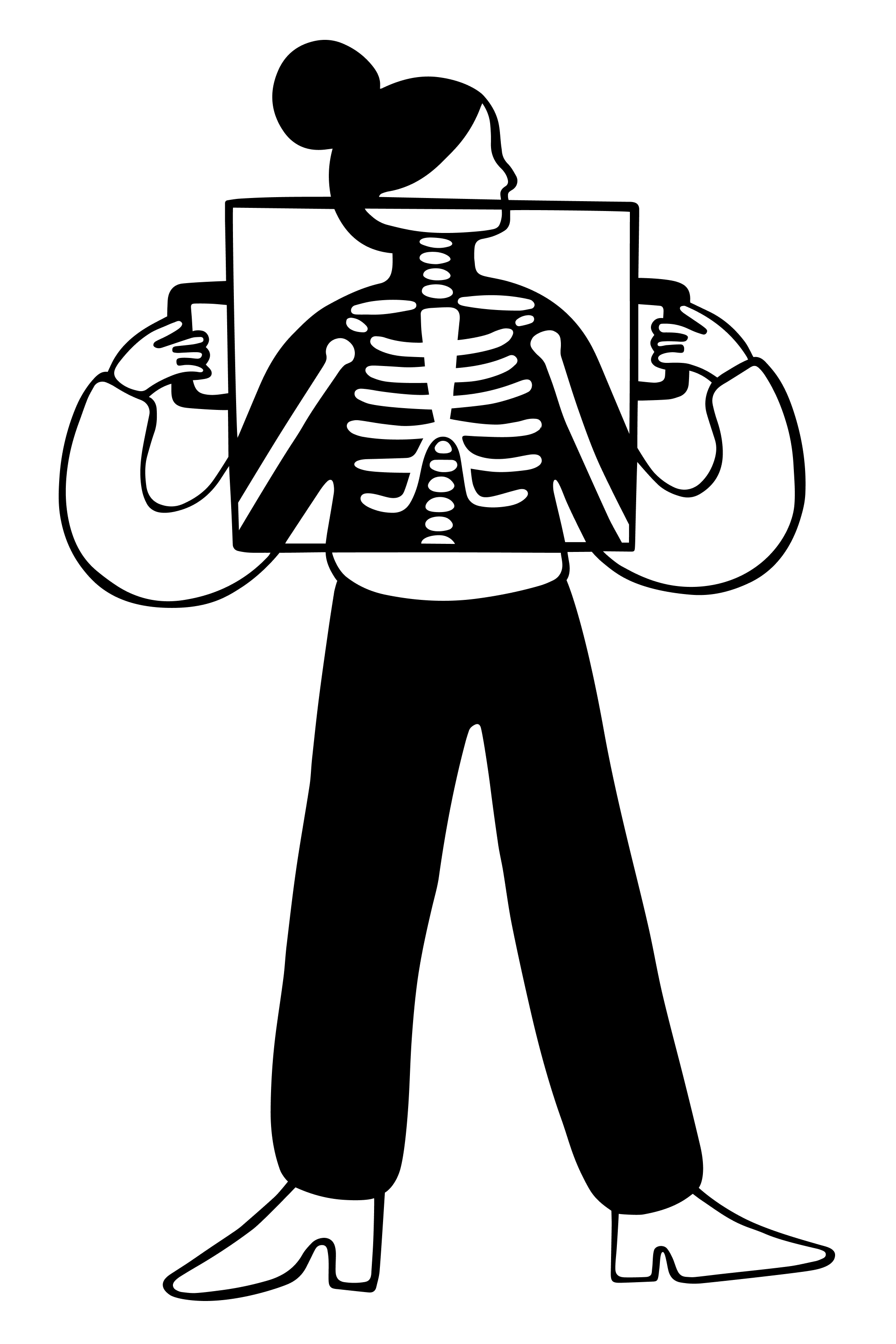
Musculoskeletal pain: There is a strong, statistically significant association between Vitamin D deficiency and non-specific musculoskeletal pain. Supplementing has been shown to alleviate this widespread body aching in many patients.
Inflammation and immunity: Vitamin D plays a crucial role in immune system regulation. Deficiency is linked to chronic inflammation, which can exacerbate joint pain, arthritis, and slow overall tissue healing.
Actionable steps for your health
Given the local climate, reliance on diet alone is often insufficient. Taking proactive steps to manage your Vitamin D levels is essential for structural stability and overall resilience.
Get tested: Ask your primary care provider for a simple blood test to check your current levels. Many experts recommend levels of 30 ng/mL or higher for optimal bone and muscle health
Supplement wisely: If your levels are low (especially from October through March), supplementation with Vitamin D3 (cholecalciferol) is usually recommended. A common daily dose for adults is 600 to 1,000 IU, but your provider may recommend higher doses (up to 4,000 IU/day) to correct a deficiency
Prioritize food sources: While sunlight is limited, try to consume fatty fish (like salmon), fortified plant milk, and fortified cereals to contribute to your daily intake
By taking control of your Vitamin D status, you give your body the essential building blocks it needs to support the adjustments, alignment, and muscle health promoted by your Parkside care team.
February in Portland: Cascade Festival of Black Films
Celebrate Black History Month with “the longest-running annual, non-profit, non-commercial, largely volunteer-run African Film Festival in the United States.“ Feb. 6–Mar. 7, 2026. See the website for showtimes.

Poster by Lola Blucher
Come visit us at Parkside
Come see our expert team at Parkside Clinic where we tailor our care to your specific condition and tap into your body’s natural healing ability. Make an appointment, or if you have any questions, contact us.