
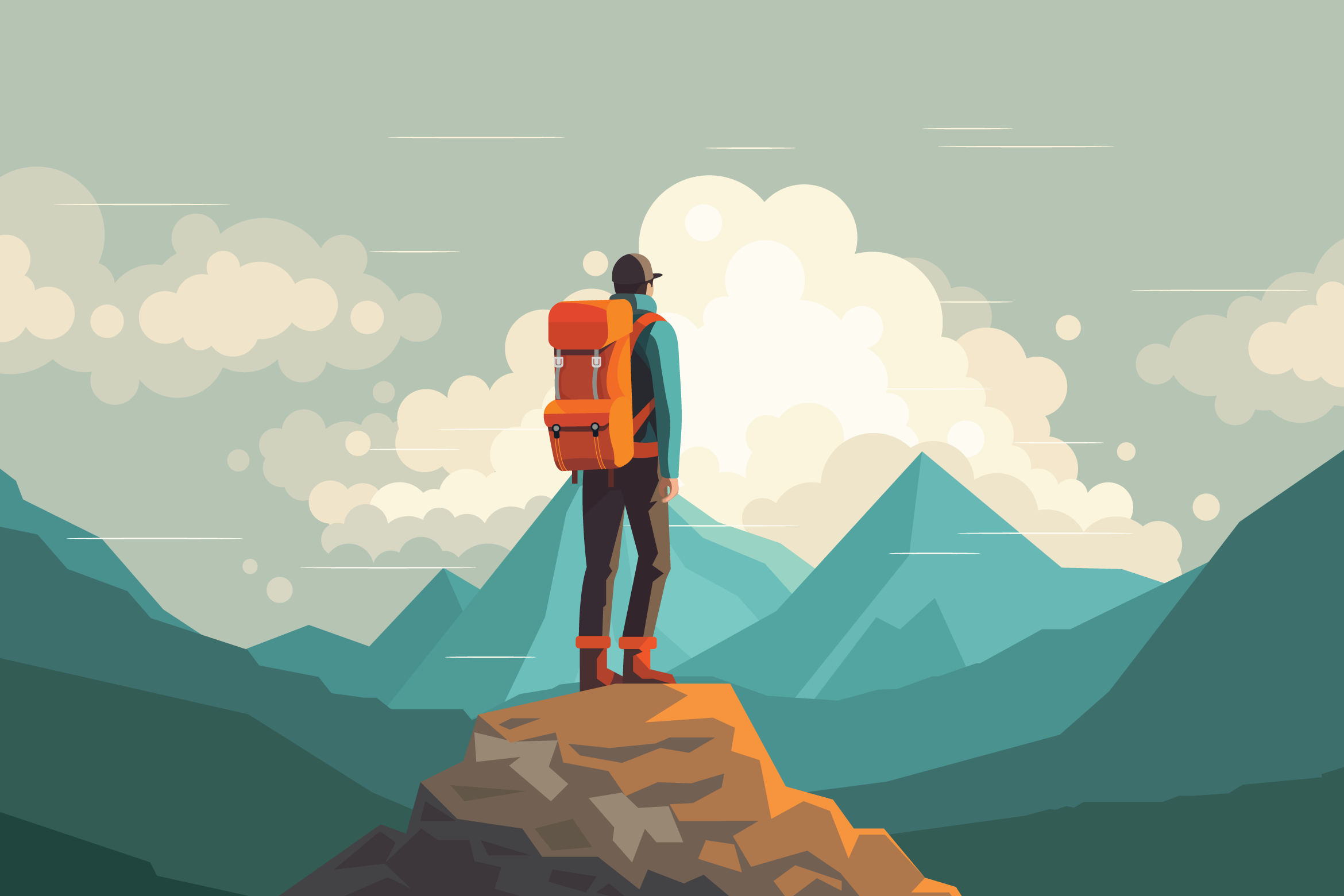
When you tackle a steep, iconic trail like Dog Mountain, or when you head to the top of Mt. Tabor, it's natural to focus on the uphill part. But when patients come into the clinic on Monday morning barely able to walk down their own stairs, it is rarely the climb that caused the damage. It's the descent. Here's why.
Concentric vs. eccentric muscle contraction
When you hike uphill, your quadriceps (the large muscles on the front of your thighs) perform concentric contraction. The muscle fibers shorten as they generate the force needed to step your body forward and up. While this requires lots of cardiovascular energy, it is mechanically very efficient and relatively safe for the muscle tissue.
When you turn around and head back down the trail, the mechanical demand reverses. Now your quadriceps must perform an eccentric contraction. They elongate and stretch while remaining under tension.
But shouldn't going downhill be vastly easier on the body since gravity is doing the work? The reality is that gravity is what causes the structural damage. When you hike downhill, you aren't really walking, you’re executing hundreds of single-leg braking maneuvers to arrest a controlled fall. Gravity is rapidly pulling your mass downward, and your elongating quadriceps are the brakes you have to stop your knee from buckling under a repetitive impact that can equal three to four times your normal body weight.
The day after
Because eccentric contractions force the muscle fibers to stretch while forcibly engaged, they cause more structural micro-trauma than concentric movements. This is the physiological driver behind eelayed onset muscle soreness—that intense, rigid stiffness that peaks 24 to 48 hours after your hike.
All of that eccentric braking force generated by the quadriceps also funnels into the patellar tendon, which connects your kneecap to your shinbone. Repetitive eccentric loading is a trigger for patellar tendinopathy. The tendon becomes inflamed from acting as the primary shock absorber for those heavy, downward steps.
Protect your knees on the descent
You can't eliminate gravity, but you can change how your body absorbs it.
Trekking poles to the rescue: Using poles on a steep descent can prevent a slip in the mud—it can also save your knees. By planting your poles ahead of you on every step down, you transfer a big percentage of that eccentric braking force out of your quadriceps and into your lats, triceps, and shoulders.
The lateral step: When the trail gets steep, don’t walk straight down. Turn your body sideways and side-step down the steepest sections, or walk first to the left, then to the right as descend. This gets your gluteus medius and hip abductors to help lower your body weight, giving your overworked quadriceps and patellar tendons a much-needed break.
Keep your knees soft: Never lock your knees straight when your foot strikes the ground on a descent. A slight bend ensures the muscles absorb the shock rather than transferring the impact directly into the knee joint and up into the lower back.
When that delayed onset soreness sets in after a heavy weekend in the Gorge, you don't just have to wait for the stiffness to slowly fade. Clinical massage therapy is highly effective at flushing out the metabolic waste and cross-linked fibers in those overworked quadriceps, and a targeted chiropractic adjustment ensures that your pelvis hasn't rotated to compensate for a strained knee, keeping you balanced for your next weekend on the trail.
November in Portland: Chrysanthemum Festival
“Step into autumn’s splendor as the garden transforms with the colors and textures of chrysanthemums, a flower of nobility and longevity in Chinese culture. Stroll among 81 mum varieties, cascading displays along the waterfall, and sweeping floral sculptures that transform the garden into a living gallery.” November 5-22 at the Lan Su Cinese Garden.
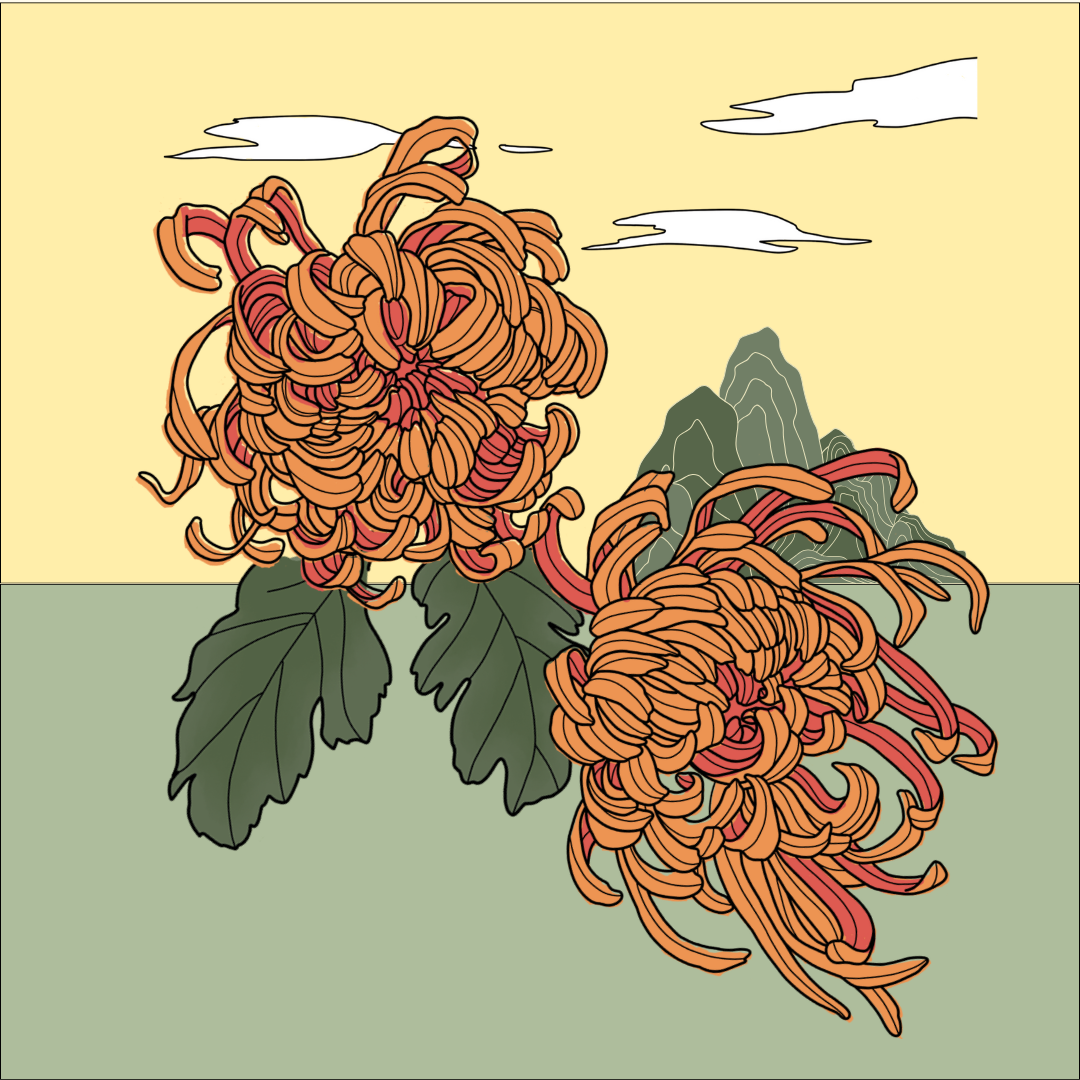
Credit: Lan Su Chinese Garden
Come visit us at Parkside
Come see our expert team at Parkside Clinic, where we tailor our care to your specific condition and tap into your body’s natural healing ability. Make an appointment, or if you have any questions, contact us.