
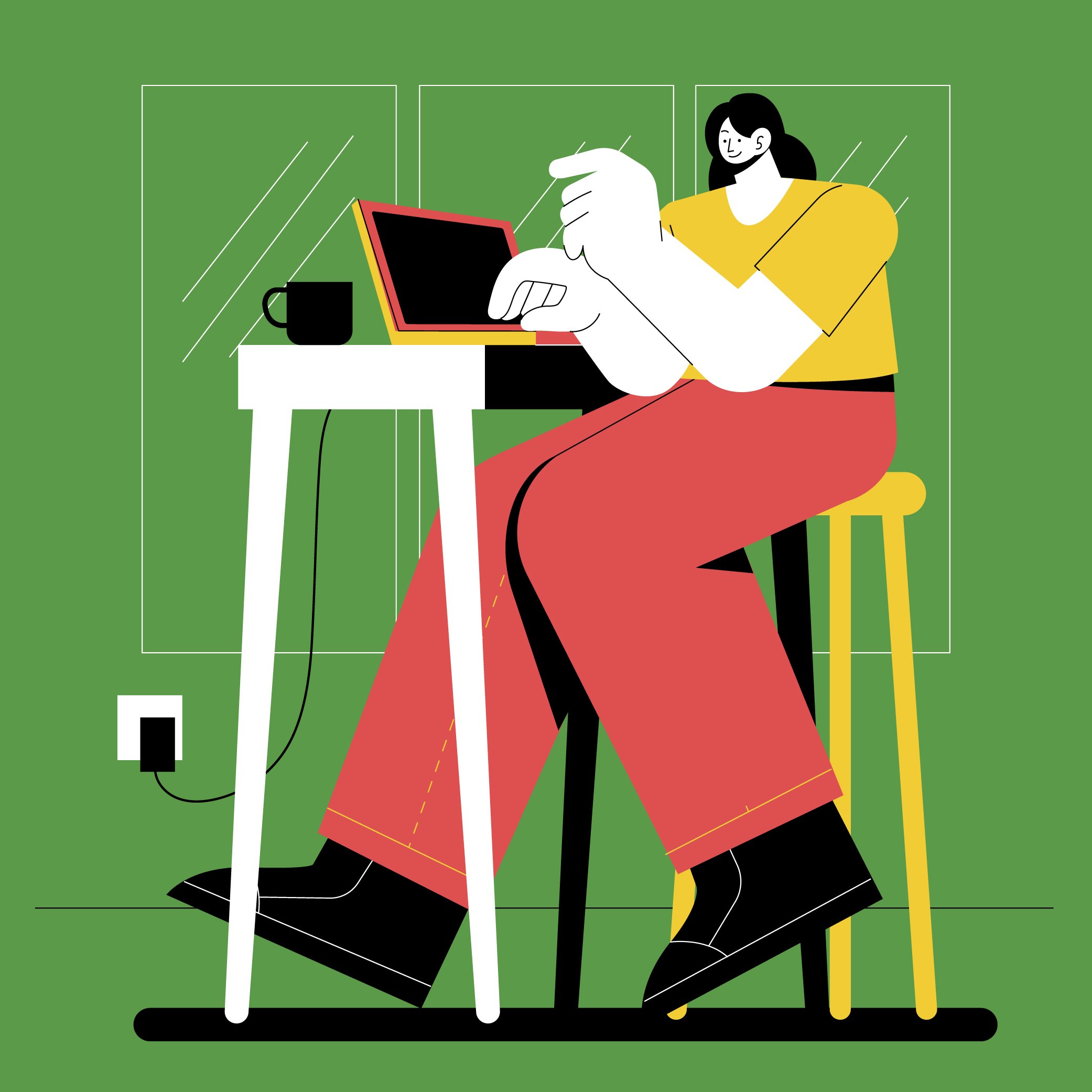
For decades, the advice was simple: sit up straight. Now, the common wisdom is to stand more. But when it comes to managing chronic pain and supporting your spine, which setup is truly better? The truth is that both prolonged sitting and prolonged standing present unique challenges for your low back. The solution is not to choose one position over the other, but to master the art of movement and variation. Understanding the mechanical stressors of each posture is the key to creating an ergonomic workspace that supports your adjustments and massage work.
The mechanics of prolonged sitting
Sitting is often labeled "the new smoking" due to its link to cardiovascular issues, but its immediate impact on the spine is what brings many people to our clinic.
Increased spinal pressure: Sitting, especially when slouched (spinal flexion), puts significantly more pressure on the intervertebral discs in your lumbar spine compared to standing. When you lean forward (like when reading a screen), this pressure multiplies.
Hip flexor tightness: Prolonged sitting keeps your hip flexors (muscles at the front of the hip) in a shortened position. Over time, these muscles become tight, pulling the pelvis forward when you stand (anterior pelvic tilt). This forces your lower back to over-arch, contributing to stiffness and chronic pain.
Gluteal amnesia: Sitting effectively switches off the powerful gluteal muscles. Weak glutes mean the smaller, less resilient muscles of the low back have to take over stabilization, leading to fatigue and injury (the dreaded “Dead Butt Syndrome“).
The mechanics of prolonged standing
While standing alleviates disc pressure and engages the stabilizing core muscles, it introduces a different set of stressors if not done correctly.
Muscle fatigue: Unlike sitting, standing requires constant, low-level muscle activation in the legs, back, and core. Sustained muscle tension can lead to fatigue, especially in the low back and calves.
Compressive forces: Although less than sitting, standing subjects the lower spine, hips, knees, and ankles (refer back to our srticle on ankle mobility) to constant compressive force. This can exacerbate foot pain (plantar fasciitis) or low back pain if the foundation is unstable.
Poor standing posture: Many people compensate by shifting weight entirely onto one leg or leaning on the desk. Worse, they may stand with an excessive arch in the low back (hyper-extension), which strains the facet joints of the spine.
Get dynamic
The best solution is neither eight hours of sitting or eight hours of standing, but frequent, dynamic changes in posture. The spine is designed to move.
The 20-8-2 rule: Aim to sit for 20 minutes, stand for eight minutes, and move/walk for two minutes. Setting a simple timer can transform your day. The movement phase is critical for increasing blood flow and flushing waste from tissues.
Foot support is essential: If using a standing desk, invest in a quality anti-fatigue mat to reduce the load on your feet and knees. Place one foot up on a small box or stool to subtly shift your spinal alignment and prevent locking your knees.
Screen height: Top of the monitor should be at eye level (or slightly below).
Elbows: Should be bent at approximately $90^\circ$ and remain close to the body.
Feet: Should be flat on the floor or a footrest when sitting.
Supporting your structural health at the clinic
A dynamic workspace is the perfect complement to the services at Parkside Clinic:
Chiropractic: Correcting poor posture is the ultimate form of injury prevention. By moving frequently, you prevent the stiffness that forces joints out of alignment, making your adjustments last longer.
Massage: Massage therapists can specifically target the tight hip flexors (psoas) and tired low back muscles caused by prolonged static posture. The more you move, the less those muscles guard and seize up.
Acupuncture: Acupuncture reduces the chronic inflammation and nerve irritation caused by muscle tension and poor posture, helping your body adopt a healthier, less painful position naturally.
June in Portland: Bike Summer
Three months, hundreds of fun bike rides led by Portland cyclists.
Come visit us at Parkside
Come see our expert team at Parkside Clinic where we tailor our care to your specific condition and tap into your body’s natural healing ability. Make an appointment, or if you have any questions, contact us.